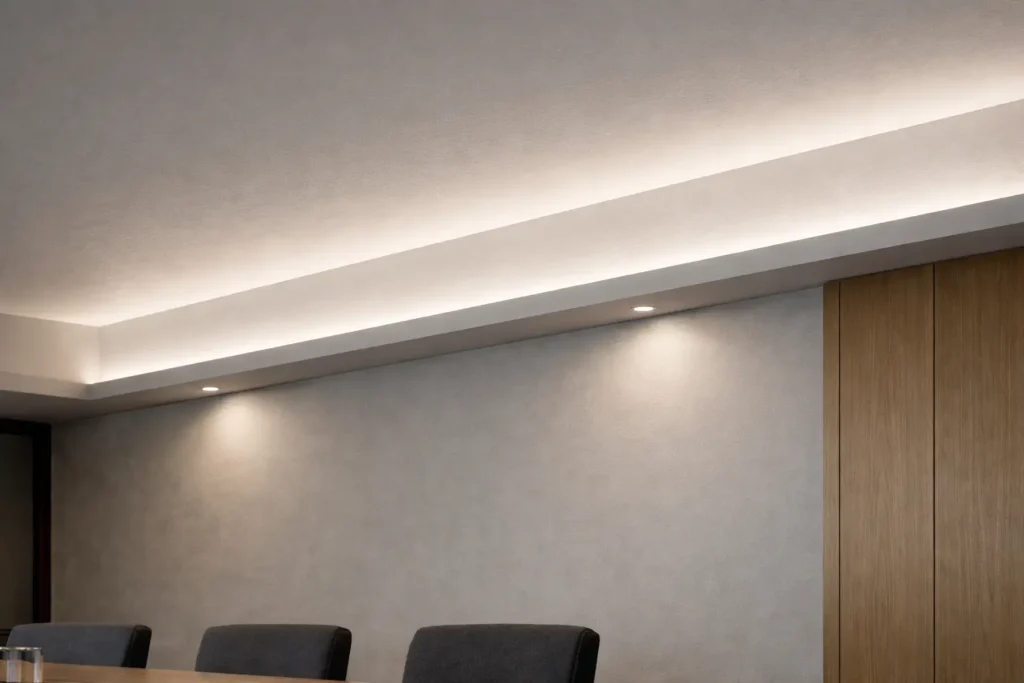
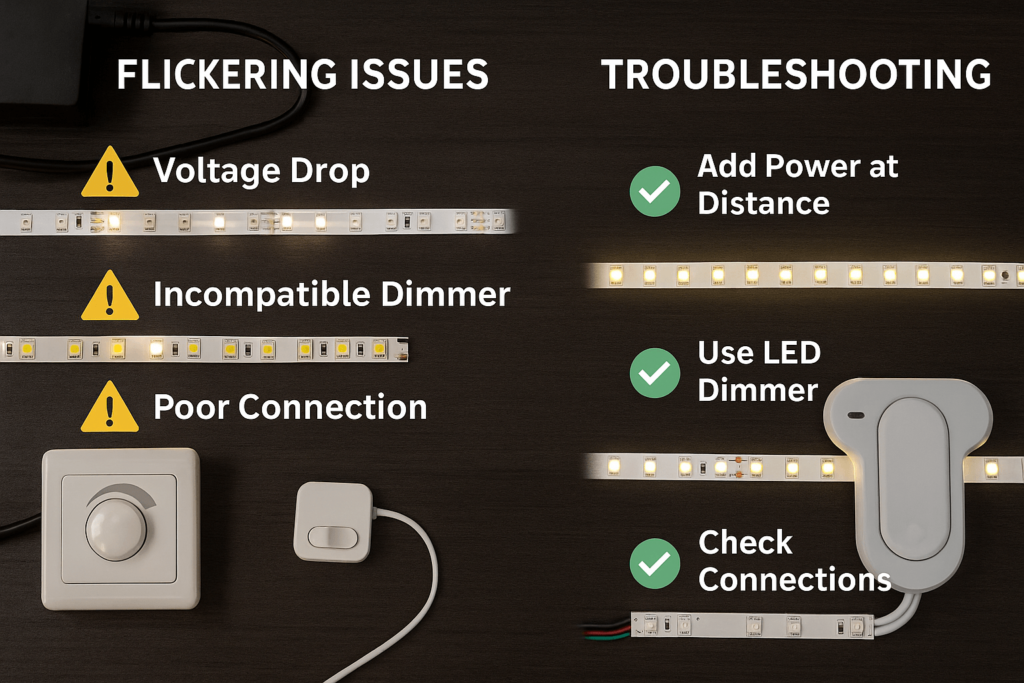
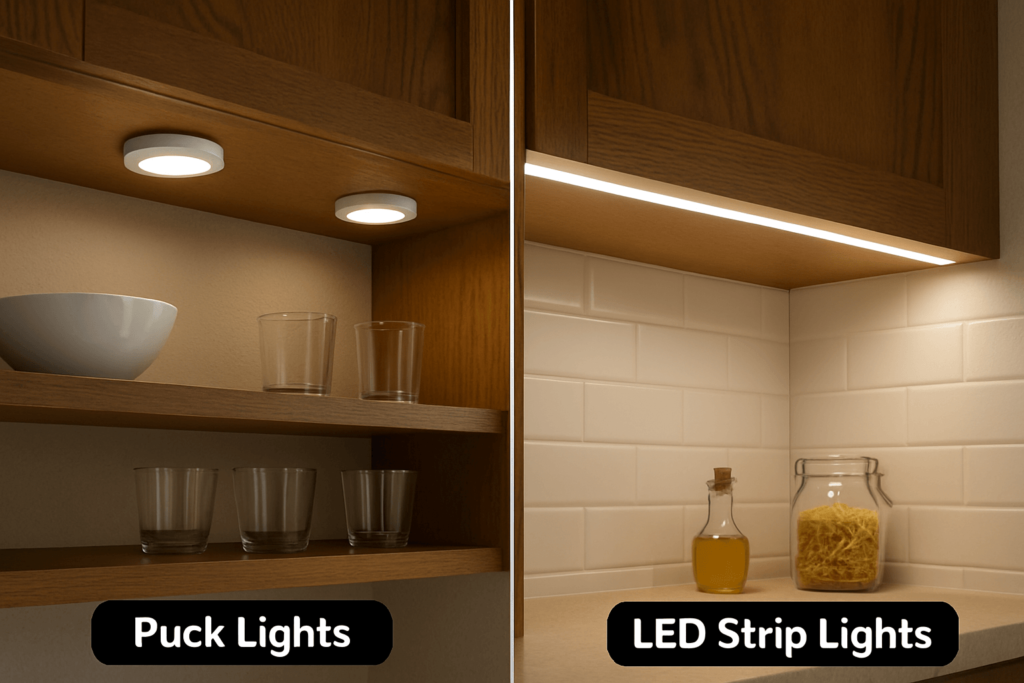
First, choosing the best 24V LED strip light is not about finding one strip for every project. Instead, it is about matching the strip to the site, the light effect, the power plan, and the way the buyer will order it.
For example, a strip that works well in a retail display may not fit a long cove light run. Likewise, a smooth COB strip may be the right choice for a visible line of light, while an RGB or RGBW strip may be better when color control is the main goal.
Therefore, commercial buyers, engineers, buying teams, and distributors should ask one clear question: which 24V LED strip fits the use case, site needs, control method, and RFQ details?
In this guide, you will compare 24V LED strip lights by use case, key specs, system plan, and buying needs before you request samples or bulk pricing.
In short, the best 24V LED strip light is the one that matches your use case, run length, brightness target, CCT, CRI, strip type, IP rating, driver, controller, and mounting method. Also, 24V can help with longer-run planning, but the final result still depends on wattage, wiring, feed method, driver location, and site setup.
First, define where the strip will be used. Then compare product types. This step helps you avoid choosing a strip only because it is bright, cheap, or popular.
| Use Case | Main Goal | Strip Direction to Consider | Key Specs to Check | Risk to Avoid |
|---|---|---|---|---|
| Cove lighting | Long, even indirect light | 24V SMD or COB strip | Wattage, CCT, CRI, run length, driver location | Uneven light over long runs |
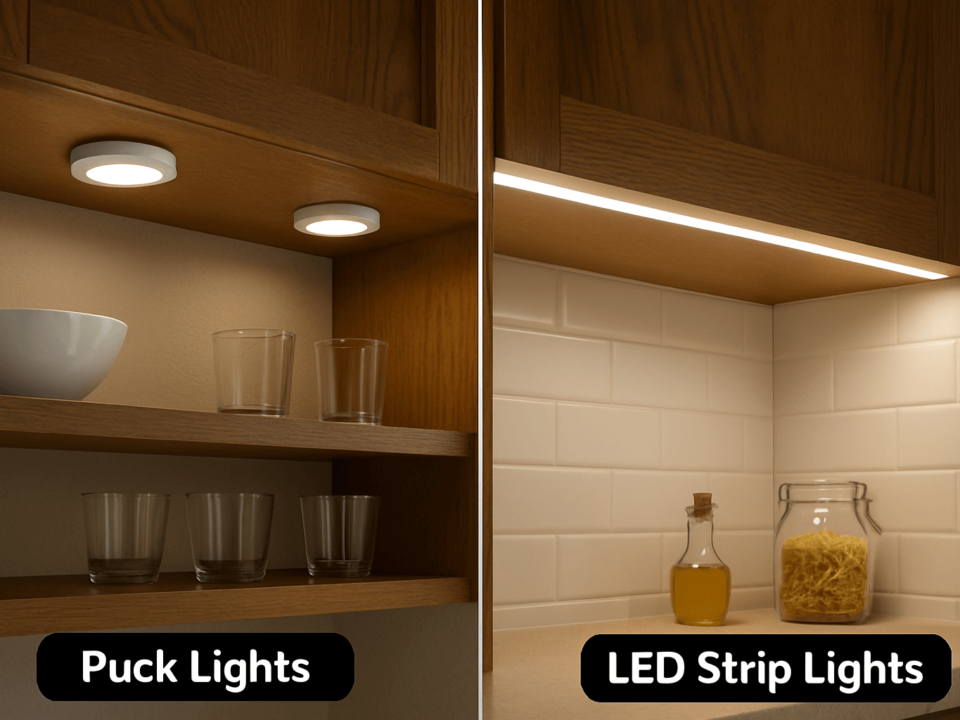
| Cabinet or shelf lighting | Compact, clean light | COB or high-density SMD strip | Width, brightness, CCT, tape or profile mount | Visible LED dots or poor heat flow |
| Retail display | Clear product color | High-CRI white strip or tunable white strip | CRI, CCT, brightness, dimming method | Wrong color appearance |
| Signage and décor | Color or visual effect | RGB, RGBW, or addressable strip | Control type, voltage, channel wiring, controller match | Choosing a strip without a matching controller |
| Outdoor or damp areas | Wet-area protection | Waterproof-rated strip | IP rating, seal method, driver placement | Assuming all strips are outdoor-ready |
| OEM or custom product | Repeatable product fit | Custom length, PCB width, connector, color, or pack | Drawing, sample approval, test needs | Moving to bulk order without a sample check |
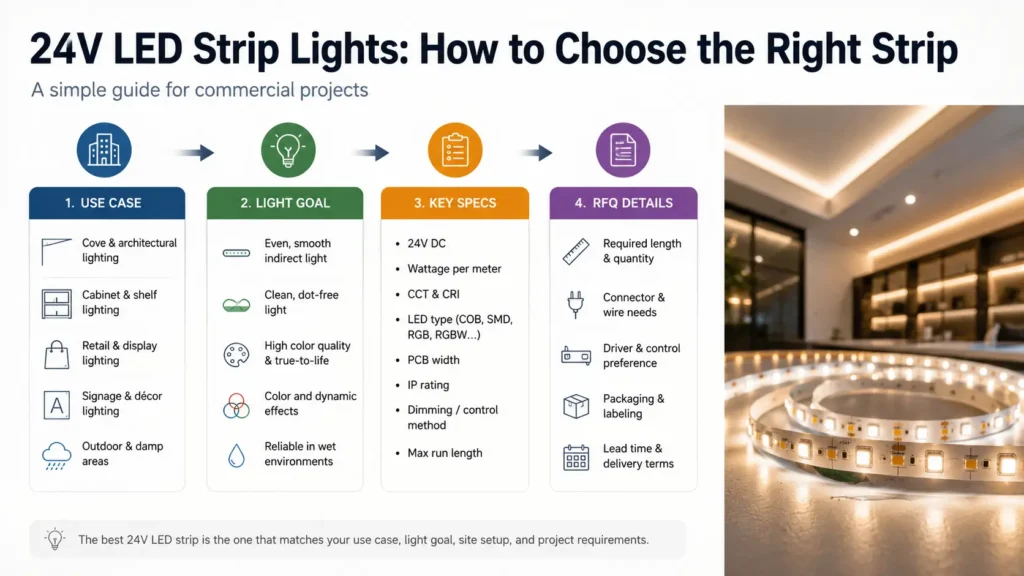
As a result, the “best” strip is usually the strip that gives the right mix of light effect, power plan, site fit, and buying confidence. You can also review common product families on the LED strip lights category page.
Next, make the main specs clear before you ask for a quote. Otherwise, two suppliers may quote different strips, even when both products are called “24V LED strip lights.”
| Spec | Why It Matters | What to Confirm |
|---|---|---|
| Voltage | Must match the driver and control system | 24V DC strip and a matching 24V driver |
| Wattage per meter | Affects light level, heat, and driver size | W/m or W/ft for the exact strip model |
| Total run length | Affects voltage drop and feed method | Length per section and total project length |
| CCT | Controls the look of white light | Warm white, neutral white, cool white, or tunable white |
| CRI | Helps when color quality matters | Required CRI level for the use case |
| LED type | Affects dot visibility and light effect | COB, SMD, RGB, RGBW, CCT, addressable, or waterproof |
| PCB width | Affects fit in profiles or product housings | Required width and mounting space |
| IP rating | Needed for damp, wet, or outdoor sites | Indoor, splash-resistant, or waterproof need |
| Dimming or control | Must match the driver and controller | PWM, dimmer, RGB/RGBW, CCT, or smart control method |
| Mounting method | Affects heat and long-term fit | Aluminum profile, tape, clips, or custom housing |
Also, do not rely on voltage alone. Two 24V strips can give very different results if wattage, LED density, PCB design, diffuser, control method, and site setup are not the same.
In many project layouts, 24V LED strip lights are useful for longer-run planning. For the same power level, a higher-voltage system can use lower current, which can help reduce voltage-drop risk.
However, 24V is not a promise that every strip can run any distance. For a general background view, this 12V vs 24V LED strip guide explains why voltage choice matters.
Before you choose, check these items:
Therefore, use 24V as a planning advantage, not as a guarantee. For long runs, confirm the layout, power feed method, and driver size before you buy.
Next, plan the strip as part of the full system. The strip, LED power supply, controller, wiring, profile, and site setup all affect the final result.
| Planning Item | What to Check | Why It Matters |
|---|---|---|
| Total strip length | Length per run and total length | Helps estimate wattage and feed method |
| Strip wattage | W/m or W/ft | Needed for driver sizing |
| Driver capacity | Output voltage and power capacity | Must match the strip and total load |
| Feed method | One-end feed, two-end feed, or more feeds | Helps control brightness drop |
| Controller or dimmer | Load capacity and channel type | Must match single color, CCT, RGB, RGBW, or addressable strip |
| Mounting profile | Profile, diffuser, clips, or custom housing | Affects look, fit, and heat flow |
| Site conditions | Indoor, damp, wet, dusty, or outdoor | Affects IP rating and install method |
| Service access | Driver and connector access | Helps with service and fault checks |
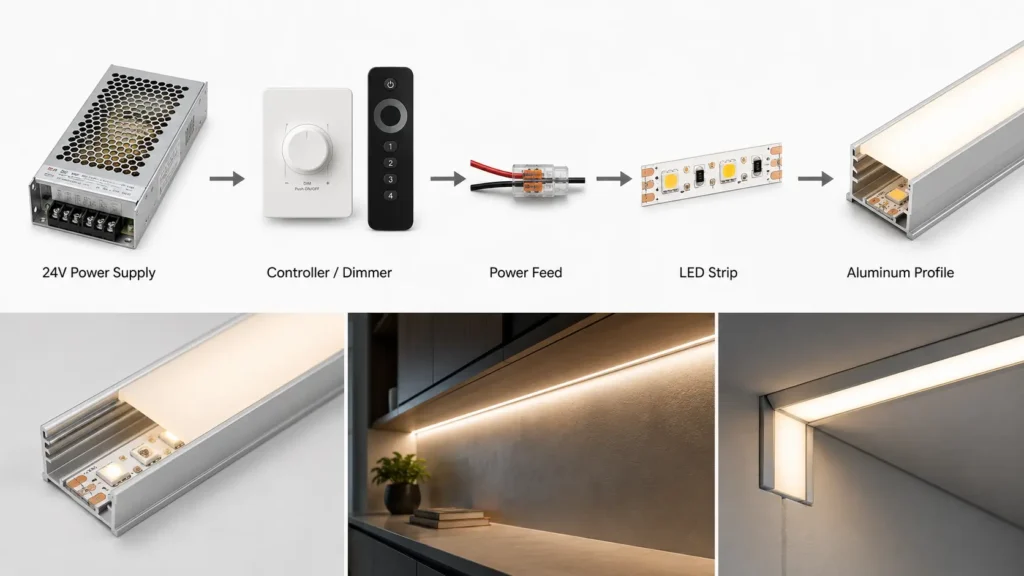
For example, a bright strip with the wrong driver, controller, wire path, or profile can still cause site problems. So, ask the supplier to review the strip and driver together. You may also use a general power reference such as this LED strip power supply guide when preparing project notes.
After that, compare strip type by the light effect and control need. Avoid choosing by product name alone.
| Strip Type | Best-Fit Use Case | Why Buyers Choose It | What to Confirm |
|---|---|---|---|
| COB LED strip | Smooth visible linear light | Helps reduce visible dot effect in many layouts | Width, wattage, CCT, CRI, diffuser or profile need |
| SMD LED strip | General cove, cabinet, and building light | Offers many brightness and density choices | LED density, wattage, CRI, CCT, run length |
| High-output strip | Areas that need stronger light | Provides more light for task or project areas | Heat flow, driver size, mounting profile |
| RGB strip | Decorative color light | Creates basic color effects | Controller type, channel wiring, brightness goal |
| RGBW strip | Color plus white light | Adds a dedicated white channel | RGBW controller, wiring, white CCT need |
| CCT-adjustable strip | Tunable white projects | Allows warm-to-cool white control | Controller, dimming method, target CCT range |
| Waterproof strip | Outdoor or damp sites | Adds wet-area protection | IP rating, sealing, connectors, driver placement |
| Addressable strip | Dynamic effects and pixel control | Supports individual or grouped effects | Protocol, controller match, power plan |
For instance, a 24V COB LED strip may be a good direction when the project needs a smooth line of light. However, RGB and RGBW strips may be better when color effects matter. In addition, waterproof strips may be needed outdoors, but the full install still needs the right sealing and driver placement.
Before you move from sample or quote to bulk order, check the items that can affect site quality, approval, and buying risk.
| Item to Verify | Why It Matters | Safe Buying Action |
|---|---|---|
| Datasheet | Confirms key electrical and light data | Request the latest datasheet for the exact model |
| Sample result | Checks the real light effect before bulk order | Test the sample in the planned profile or site setup |
| Driver match | Prevents mismatch between strip and power supply | Confirm voltage, wattage, dimming, and load |
| Controller match | Important for RGB, RGBW, CCT, and addressable strips | Confirm controller type and wiring method |
| IP rating and sealing | Critical for damp or outdoor areas | Ask how the strip, connectors, and ends are protected |
| Mounting profile | Affects appearance and heat flow | Test the strip with the planned diffuser or profile |
| Required documents | May be needed for project or market review | Ask what documents are available for the exact product |
| Pack and labels | Useful for distribution and install work | Confirm roll length, label needs, and pack needs |
Also, if a project needs certificates, test reports, or other documents, ask for the exact documents before you confirm the order. Do not assume every strip has the same documents.
Finally, send clear RFQ details. This helps the supplier review the right 24V LED strip, driver, and control setup with less back-and-forth.
| RFQ Detail | Example Information to Provide |
|---|---|
| Use case | Cove light, cabinet light, signage, retail display, outdoor area, or OEM product |
| Quantity | Total meters/feet, rolls, or project quantity |
| Length need | Length per run and total length |
| Voltage | 24V DC |
| Brightness target | Required wattage, lumen level, or visual goal if known |
| CCT | Warm white, neutral white, cool white, or tunable white |
| CRI | Required CRI level if color quality matters |
| Strip type | COB, SMD, RGB, RGBW, CCT, waterproof, addressable, or not sure |
| IP rating | Indoor, damp, wet, or outdoor need |
| Control method | On/off, dimming, RGB/RGBW control, CCT control, or addressable control |
| Mounting method | Profile, diffuser, tape, clips, or custom housing |
| Driver location | Approximate distance from driver to strip |
| Drawings or photos | Site drawing, cabinet drawing, signage layout, or product drawing |
| Document needs | Datasheet, certificate, test report, label, pack, or other documents |
| Target market | Country or region where the product will be used |
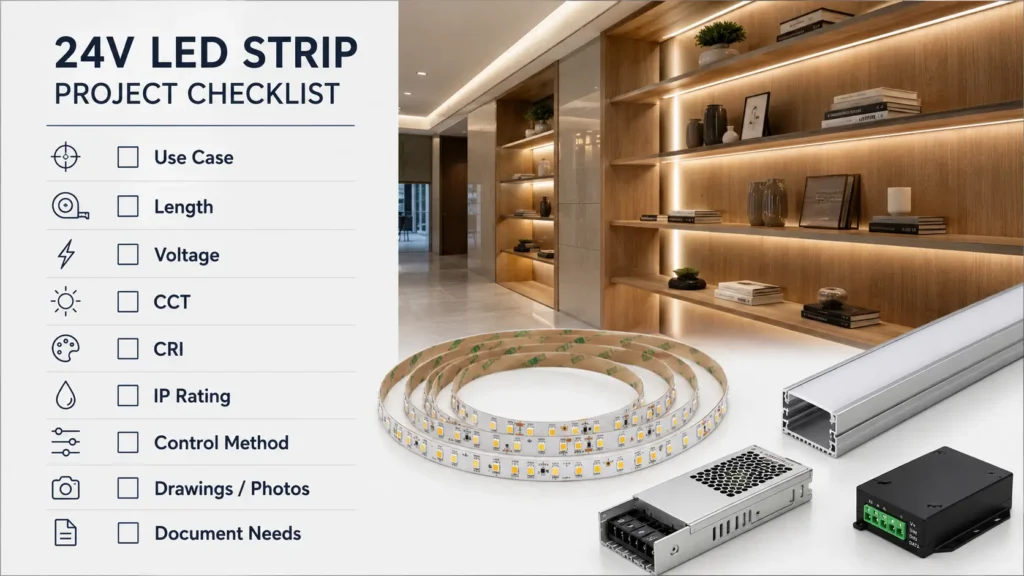
If you are not sure which strip type is right, send the use case, length, control method, and photos or drawings first. Then the supplier can narrow the direction faster. For custom needs, you can also review the LED strip customization page.
The best 24V LED strip lights are the ones that match your use case, run length, brightness target, CCT, CRI, strip type, IP rating, driver, controller, and mounting method. Therefore, for project buying, choose by project fit rather than by a universal ranking.
Often, 24V is a better direction for longer-run planning because it can help reduce current and voltage-drop risk at the same power level. However, the final result still depends on wattage, wire path, feed method, driver location, and site design.
There is no safe universal run length for every 24V LED strip. Instead, run length depends on the strip’s wattage, PCB design, wire gauge, feed method, driver location, and brightness tolerance. For long runs, ask the supplier to review the wiring and power-feed plan. You can also use a wire planning reference such as this LED strip wire gauge guide as a starting point.
First, check the strip wattage and total length. Then estimate total load from wattage multiplied by length. After that, confirm a suitable 24V driver with enough capacity for the project. For commercial installs, confirm driver sizing, dimming match, driver location, and safety needs with the supplier or a qualified electrician.
Choose COB LED strip when the project needs a smoother line of light and reduced visible dot effect. By contrast, choose SMD LED strip when you need a wide range of brightness, density, cost, and spec options. The better choice depends on the visual goal, mounting profile, diffuser, and project budget.
Some 24V LED strips may be designed for damp or outdoor sites. However, suitability depends on IP rating, sealing, connectors, driver placement, and site setup. Do not use an indoor strip outdoors unless the product and install method are confirmed for that use.
Send the use case, quantity, length, voltage, wattage or brightness target, CCT, CRI, IP rating, strip type, dimming or control method, drawings, target market, and any document needs. As a result, the supplier can review the right strip, driver, and setup direction.
It depends on the market, project, and buying rules. If certificates or test reports are needed, ask which documents are available for the exact product model and target market before using compliance-related wording.
In the end, do not choose 24V LED strip lights by voltage alone. Instead, share the use case, required length, brightness target, CCT, CRI, IP rating, strip type, control method, quantity, drawings, and document needs.
With those details, the supplier can review the right 24V LED strip direction, driver needs, document needs, and next review steps before you request samples or bulk pricing. Use the contact page to send your project details.

 English
  Spanish
  French
  Arabic