Vous avez besoin d'un produit de qualité en peu de temps ? Nous avons un plan pour vous.


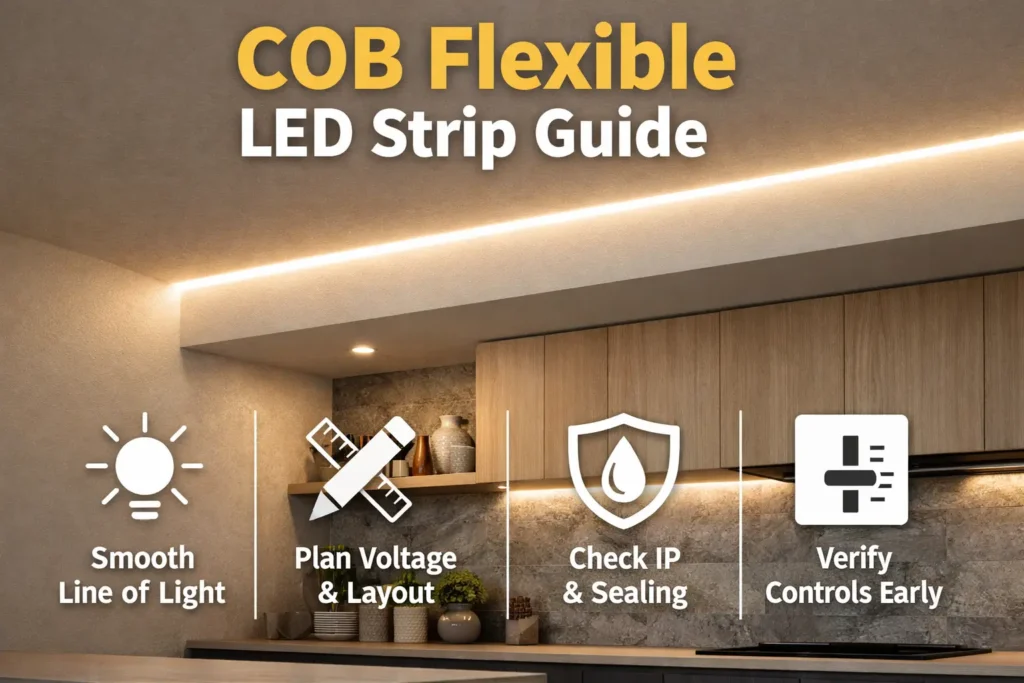
First, a CCT COB LED strip is a tunable white LED strip. It blends warm white and cool white channels through a CCT controller. Also, COB construction helps the strip create a smoother line of light.
| Term | Simple meaning | Why it matters |
|---|---|---|
| CCT / tunable white | Warm white plus cool white mixing | Needs the right CCT controller |
| COB | Dense LED layout for a smoother line | Helps reduce visible dots |
| System match | Strip, power supply, controller, and wiring work together | Prevents wrong wiring and poor dimming |
Boundary conditions: However, terminal names and channel labels vary by model. Therefore, always check the datasheet and wiring diagram before power-up.
A CCT COB strip combines tunable white control with a COB light line. As a result, it can shift between warm and cool white while still giving a smooth linear look in many profiles.
First, warm white gives a softer and warmer look. Next, cool white gives a brighter and cooler look. Then, the controller blends both channels so the strip can shift between them.
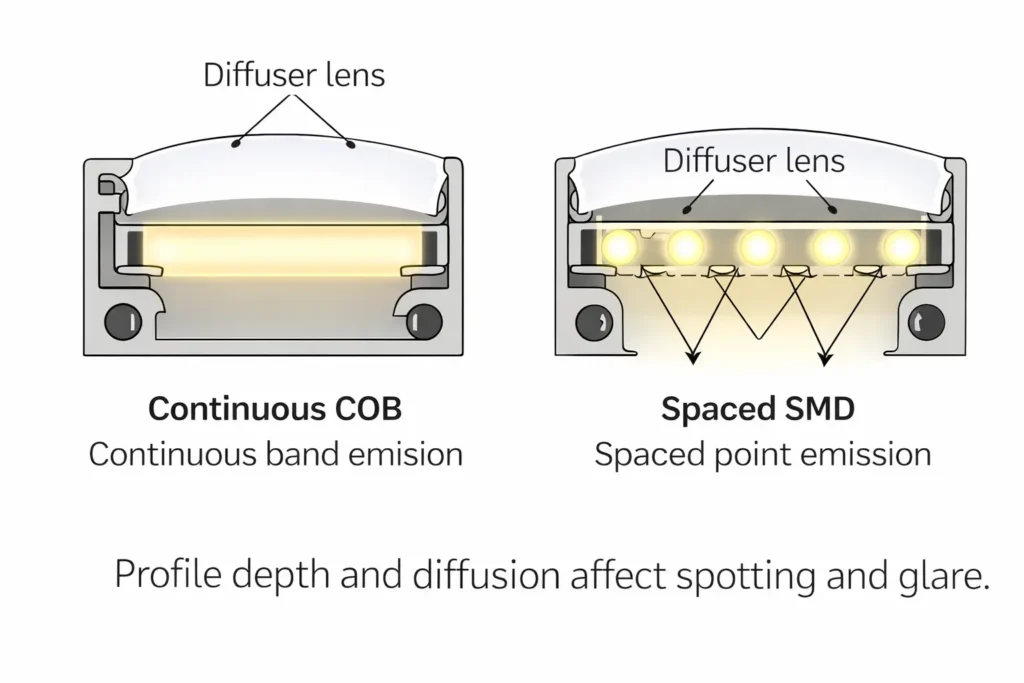
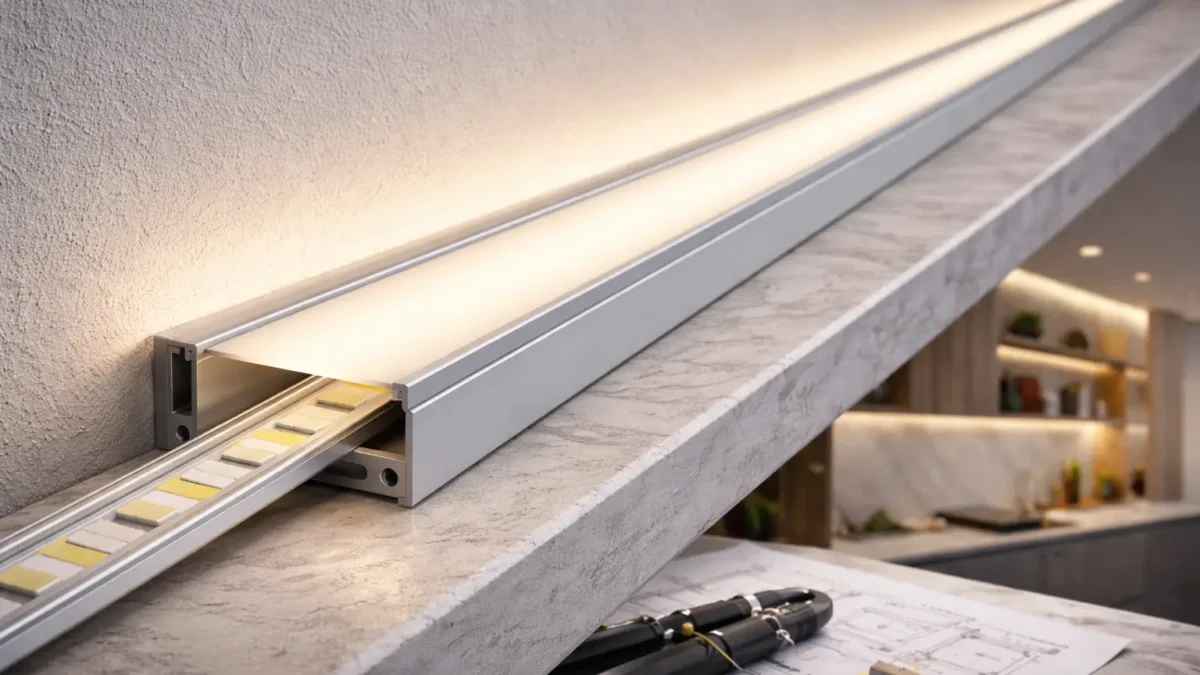
COB helps the light look more continuous. However, the final look still depends on profile depth, diffuser choice, sightline, and view distance. Therefore, direct-view lines still need a sample check.
Boundary conditions: If the line is highly visible, use a short mock-up in the real profile before approval.
Choose CCT COB when the project needs a smoother line. However, choose CCT SMD when the project needs more product options, easier replacement, or when the profile already hides dots well.
| Decision factor | CCT COB | CCT SMD |
|---|---|---|
| Visual line | Usually smoother in many profiles | Can show dots up close without enough diffusion |
| Glare control | Often still needs diffuser or lens | Also often needs diffuser or lens |
| Mounting and heat | Needs a clear mounting plan | Varies by series and build |
| Product range | May have fewer versions | Often has more versions |
| Scenario | Main concern | Usual direction |
|---|---|---|
| Under-cabinet | Glare, cleaning, close view | COB helps, but use a profile and diffuser |
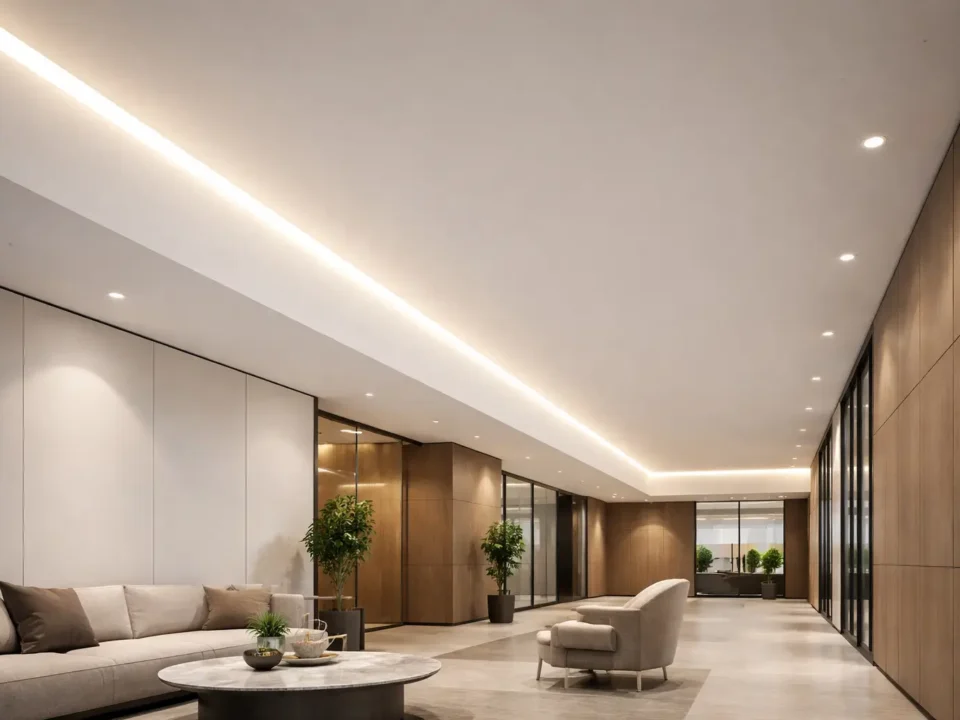
| Cove lighting | Smooth wash | COB is often preferred |
| Long line | Even tone and service access | Either can work; test the full setup |
Often, yes. A channel can help with glare, finish, protection, mounting, and heat path. However, the right channel depends on site limits and the selected strip.
Boundary conditions: Neither COB nor SMD is always better. Therefore, choose by profile, view angle, diffuser, and sample result.
Usually, a tunable white setup uses a constant-voltage power supply plus a CCT controller. Then, the controller blends warm and cool channels and handles dimming.
| Interface | Typical use | Reference |
|---|---|---|
| PWM | Common in low-voltage strip controllers | Implementation varies by controller |
| 0–10V | Often used in commercial control setups | Confirm whether control happens at driver or controller |
| DALI | Digital lighting control networks | DALI Alliance overview |
| DMX | Scenes and dynamic lighting | ESTA published documents |
Boundary conditions: A basic dimmer may only change brightness. Therefore, it may not tune white unless the setup is built for it.
Most constant-voltage CCT strips use one common connection plus two channel returns. One return controls warm white, and the other controls cool white. However, labels vary, so verify the model first.
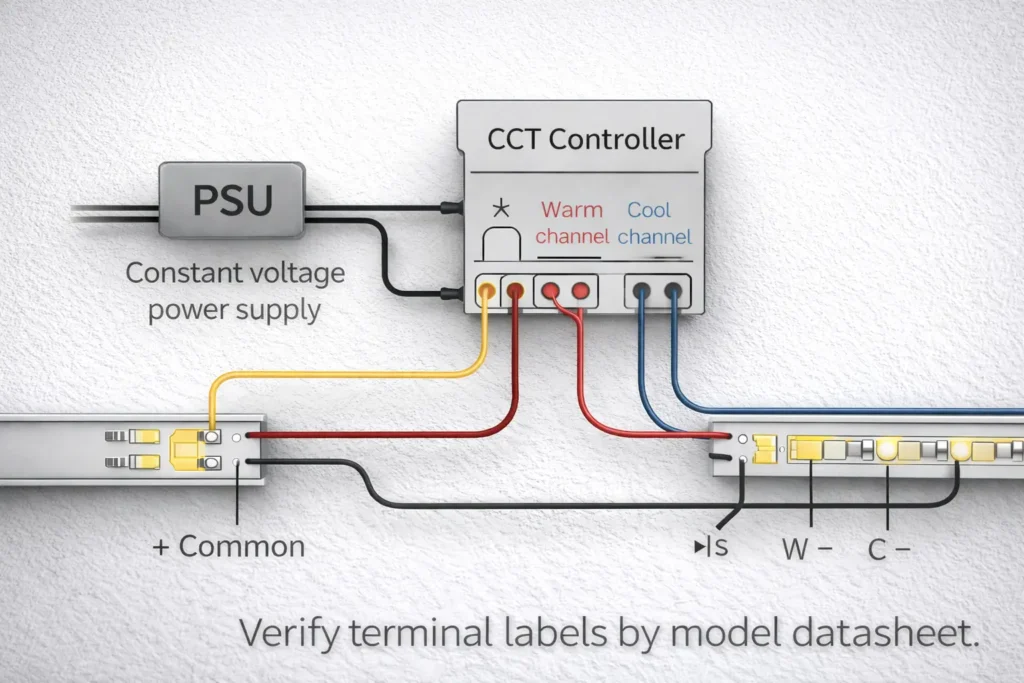
Boundary conditions: Do not assume one controller output can power unlimited strip length. Instead, confirm limits by model and layout.
For long runs, plan the layout before you install. Otherwise, voltage drop can cause dim ends and uneven white tone.
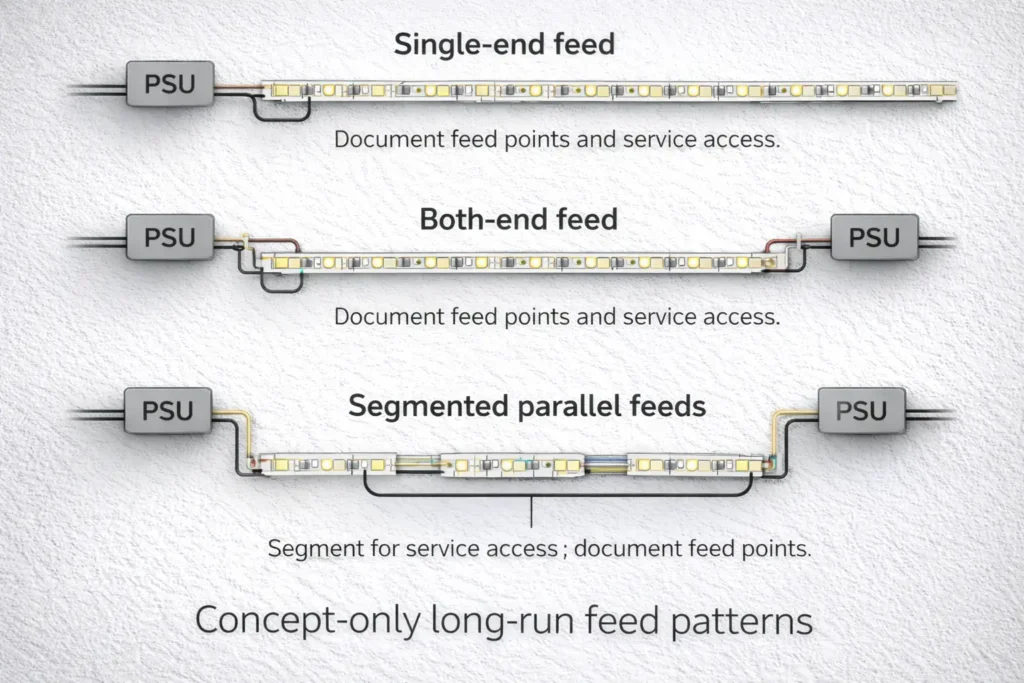
Boundary conditions: There is no universal max run length. Therefore, base the plan on voltage, load, wiring, access, and site conditions.
If your project includes long continuous lines or multiple zones, share a layout sketch with segments, access points, control zones, and intended interface. As a result, a project-specific feed plan can reduce uneven whites and rework.
For customization or layout review: https://www.elstarled.com/customization/
IP ratings describe protection against dust and water. However, wet or outdoor success also depends on joints, sealing, mounting, and heat path. For background, see the IEC overview: IP ratings and IEC 60529.
First, the IP code uses two digits. The first digit relates to solids or dust. The second digit relates to water. Therefore, the label gives a starting point, not the full install plan.
| Scenario | Typical IP direction | Boundary checks |
|---|---|---|
| Indoor dry | IP20-type open style | Keep clean mounting and a good heat path |
| Damp or splash | IP65-type protected style | Protect joints and cut points |
| Wet or outdoor | IP67-type plus connection plan | Seal joints, add strain relief, and plan drainage or UV needs |
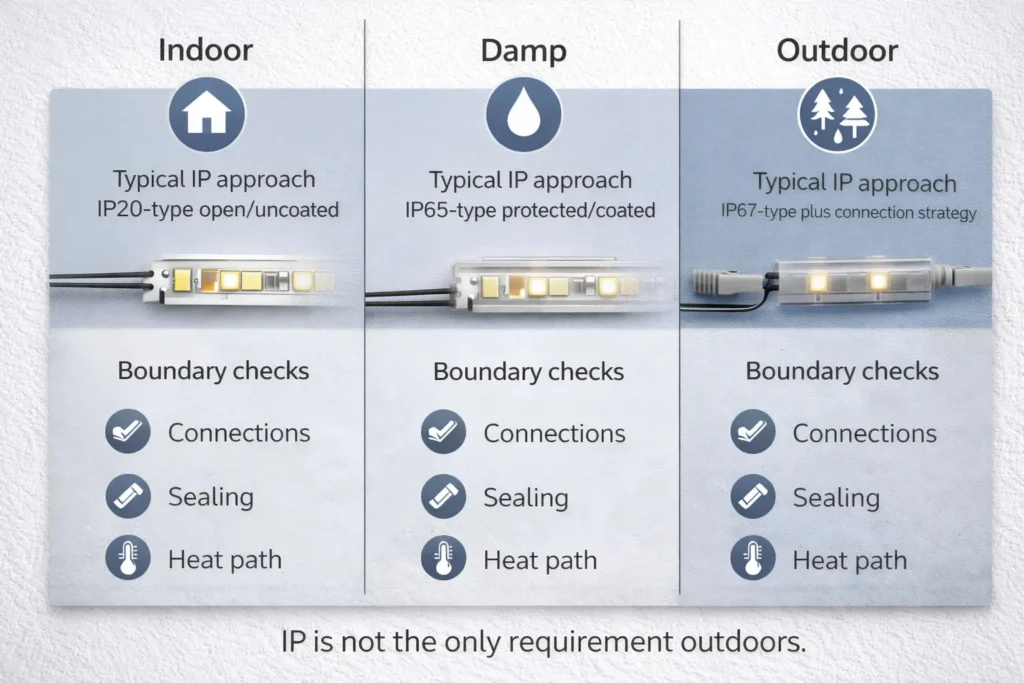
Boundary conditions: Sealed builds can change heat behavior. Therefore, confirm mounting and airflow for the exact project.
For B2B buying, verify the exact model, controller setup, wiring, and site limits before you place a volume order.
| Area | Verify | Why it matters |
|---|---|---|
| Strip and controller match | Dual-channel CCT control works | Prevents “dims but won’t tune” issues |
| Wiring documents | Clear terminals and polarity | Reduces field mistakes |
| Long-run plan | Feed points and access are documented | Prevents uneven brightness or white tone |
| Site and IP | Protection method and joint plan | Reduces moisture failures |
For B2B projects, share interface needs, zoning, site exposure, and a simple layout sketch. Then, request a document pack with datasheet and wiring guidance.
If you need a document pack aligned to your application: https://www.elstarled.com/contact/
Boundary conditions: Do not rely on generic run-length claims. Instead, use the datasheet, sample, and project layout.
Most issues come from controller mismatch, wrong wiring, weak feed planning, or poor mounting. Therefore, check those areas in order.
Boundary conditions: If wiring safety is uncertain, use qualified review before modifying the system.
Answer: A CCT COB LED strip is a tunable white strip with warm and cool white channels. A controller blends those channels to tune the white look. Also, COB helps create a smoother line, but the final look still depends on the profile and diffuser.
Answer: Yes, it usually needs a CCT-capable controller or decoder. A standard dimmer may only dim brightness. Therefore, it may not tune white unless the full setup supports that function.
Answer: Usually, the strip uses one common line plus warm and cool channel returns. First, verify terminal labels in the datasheet. Then, connect common, warm, and cool to the matching controller outputs.
Answer: COB often looks smoother in close or visible lines. However, SMD can also work well when the profile and diffuser hide dots. Therefore, choose by sightline, diffuser, profile, and sample result.
Answer: Often, yes. Channels can improve finish, glare control, protection, and heat path. Also, direct-view lines usually need more optical control than hidden coves.
Answer: You may need it when the far end is dim, when white tone shifts, or when long runs behave worse at high output. However, there is no fixed distance rule. Therefore, test your layout.
Answer: First, choose by exposure. Dry areas can use open styles, damp areas often need coated styles, and outdoor areas need stronger protection plus a joint plan. For IP background, see IEC IP ratings.
Finally, specify a CCT COB LED strip as a full system. In other words, choose the strip, controller, wiring, feed plan, profile, and IP build together.

 English
  Spanish
  French
  Arabic